

Builder’s Risk Coverage for North Carolina Construction Projects and the Costs of Getting It Wrong
Construction projects move through high-value stages long before a building is complete, occupied, or protected under a traditional property policy. Materials arrive before they are installed. Framing goes up before interior systems are protected. Equipment, temporary structures, and partially finished work can all be exposed to fire, theft, vandalism, wind, and water damage while schedules are still tight and financing is actively in play. That is where builder’s risk insurance becomes one of the most important forms of protection on a North Carolina project.
Builder’s risk insurance is designed to protect buildings and structures while they are being built, renovated, or significantly improved. The policy is centered on physical loss to covered property during the course of construction, but the details matter far more than many owners and contractors realize at the start. Coverage terms, valuation methods, covered parties, soft cost options, delay-related endorsements, wind and flood treatment, and policy end triggers can all materially affect how well the policy performs when a loss happens. A project can look insured on paper and still have painful gaps once the claim process begins.
In North Carolina, those details matter even more because the construction environment varies widely by region and project type. Interior projects in the Triangle face different exposures than coastal projects dealing with named storms, flood zones, and stricter underwriting. Ground-up commercial work has a different risk profile than a large residential addition or a renovation to an occupied structure. Builder’s risk coverage has to reflect the project that actually exists, not a generic template pulled into a contract at the last minute.
For many projects, builder’s risk works alongside other coverages rather than replacing them. A complete construction-related insurance strategy may also involve Business Insurance, General Liability, Workers’ Compensation, Commercial Business Auto, Business Umbrella Insurance, and in some cases Commercial Property Insurance once the structure is complete. Contractors also run into documentation requirements during active jobs, which is why organized use of Certificates of Insurance and Certificate Service Requests often becomes part of staying contract-compliant while work is underway.
This guide expands on the core builder’s risk discussion and is aimed at owners, developers, contractors, and project stakeholders trying to protect construction projects in North Carolina with more clarity. The goal is to explain what builder’s risk is meant to do, where it stops, what endorsements matter, how regional exposures change the conversation, and what practical steps can reduce both losses and claim friction.
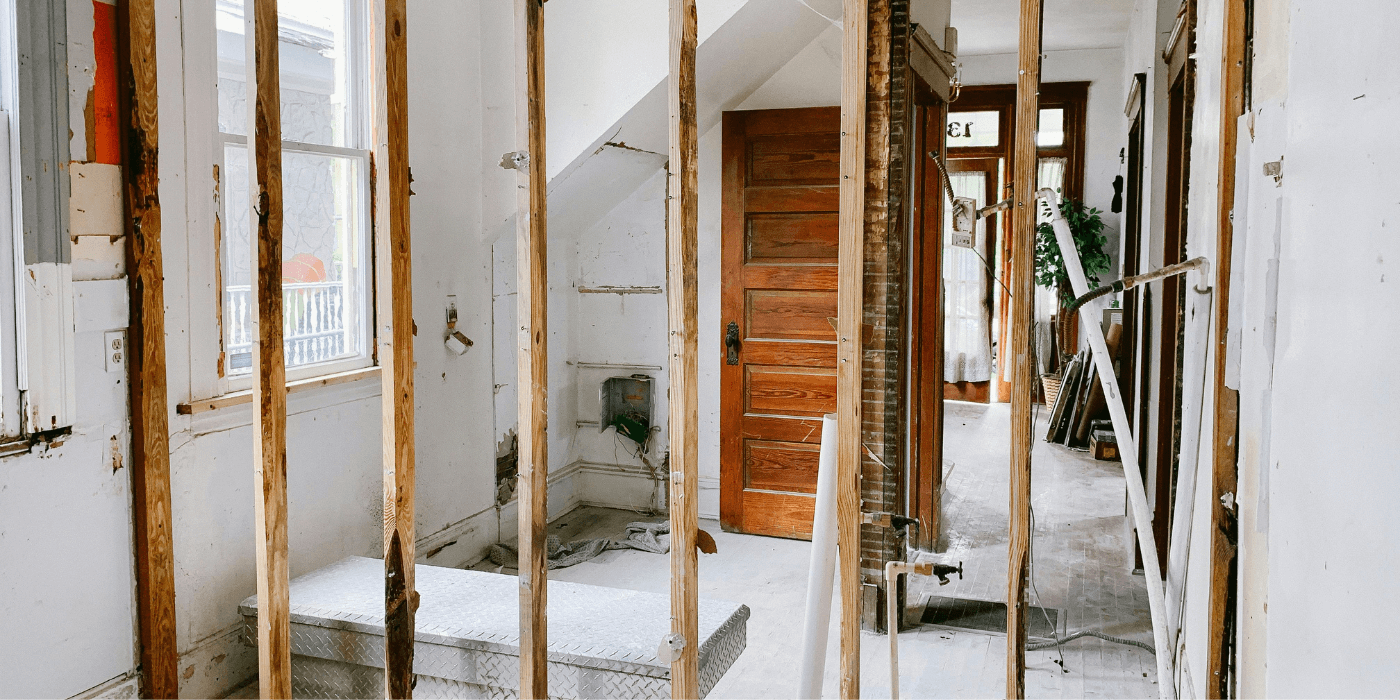
System failures and water incidents rarely stay contained to the one component that broke. Once moisture or damage moves into walls, flooring, and structural materials, the cost often shifts from “replace the unit” to “restore the home.” This kind of repair phase is where coverage details matter most, including what triggered the loss, how long it was happening, and what parts of the damage are considered sudden versus ongoing.
Why Builder’s Risk Insurance Matters Before a Building Is Finished
The most financially exposed period of many projects is not after completion. It is during construction, when money has already been committed, materials are on site, subcontractors are active, and the structure is still vulnerable. During this phase, a single fire, major theft event, wind loss, or water intrusion incident can create cascading problems. Direct property damage is only the first layer. Delays in completion, financing strain, scheduling disruption, and contractual tension can follow quickly.
Builder’s risk insurance is built to respond to that vulnerable period. Instead of waiting until a building is fully complete and ready for occupancy, the policy is designed to cover physical loss during construction itself. This makes it especially important for owners funding new builds, developers carrying lender obligations, and contractors who need projects to stay financially viable after a covered event. Without the right coverage, the cost to rebuild damaged portions of the project may come straight back to the parties already carrying construction obligations.
North Carolina projects often run through changing seasonal conditions, labor timing issues, material delivery swings, and local permitting realities. Those pressures already make timelines fragile. When property damage is added into the mix, projects with weak builder’s risk terms can face prolonged delays and disputes that affect everyone from owners and general contractors to lenders and future occupants. A solid builder’s risk policy helps keep the project recoverable rather than letting one event unravel the build.
What Builder’s Risk Insurance Typically Covers on a North Carolina Project
At its core, builder’s risk insurance is property coverage for a structure while it is being built, renovated, or repaired. Policies generally protect the structure under construction, building materials intended to become part of the finished project, and certain temporary structures or project-related property when properly included. Depending on the form and endorsements, this can include materials stored on site, materials in transit, and some off-site stored property that has been identified within the coverage structure.
Common covered causes of loss often include fire, theft, vandalism, hail, lightning, explosion, and wind-related damage, though exact policy language matters. Some policies are written more broadly, while others operate under a narrower named-peril framework. That difference affects how much room there is for claim disputes, especially when a loss does not fit neatly into a commonly expected event. Owners and contractors should understand whether they are purchasing broader risk protection or a more restricted coverage form.
Builder’s risk can also include protection for scaffolding, forms, temporary buildings, and certain jobsite-related property when scheduled correctly. These items are not just side details. They are part of how work gets done and may represent a meaningful share of the value exposed during active construction. A policy that only contemplates the partially built structure but ignores the project’s working realities can leave too much outside the protection strategy.
That is one reason many North Carolina businesses coordinating larger or more complex builds benefit from discussing the policy as part of a broader Business Insurance North Carolina plan rather than as a single stand-alone requirement. The builder’s risk policy needs to fit the project, the contract, and the operating exposure surrounding the build.
Who Usually Buys the Policy and Who Should Be Protected by It
Builder’s risk insurance is commonly purchased by the owner, developer, or general contractor, depending on the contract and financing structure. There is no single answer that fits every job. The right purchaser depends on who has the primary insurable interest, who is required by contract to place coverage, and how the project stakeholders want claims and recovery rights handled. On lender-driven projects, financing documents often influence who procures the policy and how the loss payee structure is written.
Owners usually want direct protection because they are funding or financing the project and would suffer the largest economic loss if a partially completed structure is damaged. General contractors may be responsible for arranging the policy if the construction contract places that duty on them. Lenders are often named to protect their financial interest. Subcontractors may be included under the project coverage, addressed through endorsements, or expected to maintain their own separate protections depending on the project’s risk transfer structure.
These details should not be left vague. When covered parties are not clearly identified, claim handling gets harder. Questions start surfacing immediately after a loss: Who has rights under the policy, who receives payment, who is responsible for deductibles, and who controls the repair path? A good builder’s risk setup answers those questions before any damage occurs.
It is also important not to confuse builder’s risk protection with liability-based coverage relationships. Questions around certificates, additional insured status, and contract evidence often intersect with active projects, which makes Certificates of Insurance and the blog on Certificates of Insurance in North Carolina relevant when construction partners, lenders, owners, or landlords want documentation during the life of the job.

How Builder’s Risk Differs From General Liability, Workers’ Compensation, and Other Core Policies
Builder’s risk insurance covers property loss to the project itself. It is not a replacement for liability insurance, workers’ compensation, commercial auto, or other policies tied to business operations. This is one of the most important distinctions on any project because many claim scenarios fall outside builder’s risk entirely. If a third party is injured at the site, builder’s risk is not the primary answer. If an employee is injured, builder’s risk does not replace Workers’ Compensation. If a company vehicle is involved in a work-related accident, the exposure may belong under Commercial Business Auto or even the coverage issues discussed in Barber Insurance’s article on Hired and Non-Owned Auto Insurance in NC.
General liability addresses third-party bodily injury and property damage claims arising out of operations. Builder’s risk addresses damage to covered property in the course of construction. Commercial umbrella coverage can add limits above primary policies where major exposures exist. Commercial property insurance generally applies once the structure is complete and transitions out of the construction phase. Those policies are related, but they are not interchangeable.
For North Carolina contractors and project owners, this means builder’s risk should be placed as one piece of a coordinated insurance structure rather than treated as the only meaningful policy on the job. Many projects deserve a layered conversation that includes General Liability, Workers’ Compensation, Business Umbrella Insurance, and where appropriate Commercial Property Insurance after completion.
Covered Property, Temporary Structures, and Materials in Transit
One of the most important coverage questions on a builder’s risk policy is not just what structure is insured, but what supporting property is included around it. A construction project does not exist only as a partially finished building. It also includes framing materials, roofing materials, mechanical components waiting for installation, temporary buildings, forms, scaffolding, and in many cases inventory that is moving between suppliers, storage, and the jobsite.
Materials in transit are a common pressure point. A project may rely on high-value windows, specialty mechanical systems, custom finishes, or large framing deliveries that are damaged before reaching the site. Some builder’s risk policies can include this exposure, while others require more specific wording or endorsements. Off-site storage raises similar issues. Materials stored in a warehouse or supplier holding area may represent significant project value, but that does not guarantee automatic protection under the base form.
Owners and contractors should not assume that because an item was “for the project,” it is automatically covered. Transit, temporary structures, storage locations, and testing-related property should all be reviewed directly. Large projects, phased projects, and custom residential or commercial builds often need more precise wording because the flow of materials is not simple. Getting this right is one of the better ways to reduce claim disputes later.

Plumbing systems are one of the most vulnerable components of any property during North Carolina ice storms, especially when freezing temperatures coincide with power outages. Exposed supply lines, unheated mechanical spaces, and pressure changes within the system increase the likelihood of cracked fittings or burst pipes once ice forms. Preventative steps such as maintaining consistent interior temperatures, insulating vulnerable lines, and knowing where shutoff valves are located can significantly reduce the severity of water damage. Addressing plumbing freeze risk before winter weather arrives also helps limit extended repairs, displacement, and insurance claims tied to secondary water intrusion.
North Carolina Fire, Theft, Vandalism, and Weather Exposure During Construction
Construction sites are unusually exposed to loss because the property is unfinished, often partially open, and not yet operating with the same protections as a completed building. Fire remains one of the most severe project threats because a partially completed structure can burn quickly, especially during framing or installation phases before fire protection systems are active. Even a contained fire can destroy materials, require demolition of completed portions, and push the project timeline back significantly.
Theft and vandalism are also persistent concerns. Unsecured sites, stored materials, copper, HVAC components, appliances waiting for installation, and other project inventory can all become targets. Jobsite theft does not just create replacement cost. It can also trigger scheduling problems when key materials are backordered or specialized components are difficult to source quickly. Vandalism can create similar disruption, especially when glass, mechanical systems, wiring, or exterior components are damaged before project closeout.
North Carolina weather adds another layer. Severe storms, hail, wind events, and sudden water intrusion can damage partially completed work before the building is enclosed. Depending on the region, loss prevention planning may need to be much more aggressive during certain seasons. A builder’s risk policy should be matched to that reality rather than assuming a standard form will be equally responsive on every site statewide.
Coastal Projects, Windstorm Issues, and Flood Gaps That Get Missed
North Carolina coastal projects deserve special attention under builder’s risk insurance because underwriting scrutiny often increases near wind-prone and flood-sensitive areas. Named storm deductibles, higher wind deductibles, tighter underwriting requirements, and more restrictive treatment of exposed coastal builds are all possible depending on location and project type. A project near the coast is not just another build with the same pricing and assumptions as an inland site.
Flood is one of the most commonly misunderstood exclusions in builder’s risk coverage. Many standard forms do not automatically provide broad flood protection, even though a coastal or low-lying project may face meaningful flood or storm surge exposure. Inland projects can also have flood issues, particularly where drainage, grading, heavy rain, or known flood zones create risk. When flood matters, separate treatment may be necessary through a dedicated solution such as Commercial Flood Insurance or, for other property contexts, North Carolina Flood Insurance.
Wind-driven claims also need careful review. Damage may not arise solely from the storm itself, but from how materials, panels, coverings, or temporary structures were secured. Carriers may evaluate site controls closely when adjusting wind-related losses. Projects in exposed regions benefit from documented storm preparation procedures, secure storage planning, delivery timing discipline, and clear communication with the insurance team before peak storm periods. That preparation can make the difference between a more controlled claim experience and a painful dispute about mitigation and preventability.

A North Carolina city skyline with active construction sites in the foreground, including cranes, mid-rise structures in progress, and partially completed buildings, capturing urban development and the exposure builder’s risk insurance is designed to cover during construction.
Soft Costs, Delay in Completion, and the Financial Losses Beyond Physical Damage
One of the biggest mistakes in builder’s risk planning is focusing only on physical reconstruction cost while ignoring the financial consequences of delay. If a covered event damages the project and pushes completion back, the loss can go well beyond replacing materials and repairing the structure. Additional loan interest, architectural costs, extended general conditions, real estate tax obligations, marketing delays, postponed occupancy, lost rents, and other financing-related expenses may all compound the damage.
That is where soft cost coverage and delay-related endorsements become highly valuable. These extensions can help address the economic impact of a covered physical loss that delays project completion. Coverage terms vary, and details such as waiting periods, defined soft cost categories, trigger language, and the maximum indemnity period all need to be reviewed carefully. These are not minor policy details. They shape whether a major project delay creates only construction disruption or a serious cash-flow problem for the owner or developer.
For lender-sensitive projects, soft cost protection may be especially important. It can also matter on mixed-use, multifamily, hospitality, and revenue-driven builds where delayed opening affects planned income. The more financially structured the project is, the less sense it makes to ignore delay-related insurance discussions.
Choosing the Right Policy Limit and Valuation Method
Builder’s risk coverage needs to reflect real project value. That sounds straightforward, but it often goes wrong when parties rely on outdated budgets, exclude certain cost categories, or misunderstand how the valuation method works. In many cases, the limit should reflect total completed value rather than only the cost of what is physically present on the site at a given moment. That means labor, materials, contractor overhead, subcontractor charges, and in some cases other project-related values should be considered in the limit structure.
Completed value policies provide a simpler approach for many projects because the policy limit is aligned with the project’s intended final value. Reporting forms can be useful for larger or longer-duration jobs where values rise over time and the insured wants premiums to track progress more closely. Agreed value approaches can create more certainty but only if the estimated value build-up is realistic and comprehensive.
Understating values is risky because a major loss can reveal that the insured amount was not enough to support the actual rebuild need. Overlooking overhead, profit, bonded obligations, or change-order driven scope increases can create claim friction at the worst possible time. Good builder’s risk planning requires regular value review, especially on projects where scope moves after the original schedule of values is established.

A front-facing exterior photo like this supports key homeowners insurance topics such as dwelling coverage limits, replacement cost accuracy, and the impact of upgraded materials on rebuild pricing. It fits especially well near sections about rising construction costs in Raleigh-area communities and the importance of updating coverage after renovations or finish upgrades. The clear, welcoming residential setting also pairs nicely with liability and loss-of-use messaging, since it visually reinforces the idea of protecting the home and the lifestyle around it. Place it near the introduction or the “standard policy coverage” section for the most natural flow.
Renovations, Additions, and Occupied Structures Need More Careful Planning
Builder’s risk is not limited to ground-up new construction. It can also apply to major renovations, additions, and improvement projects involving existing buildings. These jobs often create more complicated insurance questions because the work is attached to a structure that already exists, may already be insured under another property policy, and may still be occupied while construction is in progress.
That means a renovation loss can involve both new work and existing structure damage. It can also raise difficult questions about which policy responds first, whether the existing building exposure is contemplated under the builder’s risk form, and how project-caused damage to occupied space is handled. These are not issues to sort out after a loss. They need to be worked through before construction begins, especially on commercial renovations, hospitality projects, association property work, and larger residential improvements.
For association or shared-property settings, the broader insurance structure may touch policies such as Homeowners and Condo Association Coverage, Condo Association Insurance Plans, or Homeowners Association Insurance Plans. Renovation planning in these environments benefits from making sure builder’s risk conversations line up with the existing property and liability framework already in place.
Faulty Workmanship, Design Issues, and Other Common Exclusions
Builder’s risk insurance is broad in some ways, but it is not unlimited. Standard exclusions can create major misunderstandings if project stakeholders assume the policy is there to solve every construction-related problem. Faulty workmanship, design defects, wear and tear, earth movement, flood, pollution, intentional acts, and mechanical breakdown may all be restricted or excluded depending on policy language. Employee theft and certain internal dishonesty-related situations may also fall outside the typical builder’s risk structure.
Faulty workmanship is one of the most important exclusions to understand. If poor work creates a problem, the cost to correct the defective work itself may not be covered even if resulting damage to other covered property is. That difference can matter a great deal. Design-related loss can create similar challenges where the policy is not intended to function as a guarantee of construction quality or professional performance. Those concerns may intersect more with contractual recovery rights or with other protections such as Professional Liability Insurance in certain design-driven contexts.
This is why builder’s risk needs to be viewed honestly. It is a critical policy, but it is still a property form with boundaries. Reading exclusions line by line is not overkill. It is part of making sure the project’s actual exposures are being addressed rather than assumed away.

Certificates of Insurance are commonly needed for leases, vendor approvals, subcontractor relationships, and client onboarding, especially for commercial work. This image supports sections explaining how coverage limits, additional insured endorsements, and certificate wording can influence both pricing and policy structure. It also pairs well with discussions about surety bonds and other compliance documents that show up in bids, permits, and service agreements. For business owners, contract compliance is a practical reason to build the insurance program correctly upfront rather than scrambling to patch coverage after a job is already scheduled.
Contract Language, Bonds, and Documentation That Affect the Insurance Outcome
Insurance planning for construction projects should not happen in a vacuum. Contracts, lender requirements, and project documentation all affect how the builder’s risk conversation should be handled. A contract may specify who buys the policy, who must be named, what deductible structure is acceptable, what waivers apply, and whether delay-related coverages are expected. A lender may require certain loss payee treatment, evidence of insurance, or a minimum limit basis tied to the construction budget.
Surety and bond requirements may also exist alongside the builder’s risk structure, especially on public or larger private work. Those issues do not replace builder’s risk, but they are often part of the same project risk conversation. Contractors navigating these obligations may also need to coordinate around Commercial Bonds in North Carolina, Surety Bonds in North Carolina, and Barber Insurance’s article on Surety Bonds for North Carolina Contractors.
Documentation matters during both underwriting and claims. Detailed contracts, schedules of values, change orders, receipts, payroll and labor records, purchase orders, daily logs, progress photos, and storage records all make it easier to support reported values and move claims forward. Poor documentation can slow recovery, create disagreements over valuation, and make already stressful projects harder to stabilize after a loss.
Best Practices for Loss Prevention and a Cleaner Claim Experience
Insurance helps after a loss, but strong loss control reduces the chance and severity of that loss in the first place. Construction sites benefit from perimeter fencing, lockable storage, controlled material delivery timing, jobsite lighting, inventory discipline, hot-work controls, documented safety practices, and storm preparation procedures. These steps reduce exposure and can also support a better underwriting profile.
Claims tend to go better when the insured can show active site management rather than reactive cleanup. When a covered event happens, immediate steps matter. The site should be secured, further damage should be mitigated where possible, the carrier should be notified promptly, and evidence should be preserved. Time-stamped photographs, video, saved damaged materials where appropriate, detailed inventory lists, and clear records of what was on site can all make adjustment smoother.
It is also useful to designate a clear claims contact within the project team. One person or coordinated leadership group should understand the policy, communicate with the adjuster, collect documents, and keep contractors and ownership aligned. A chaotic claim file usually reflects a chaotic information process. Organized reporting helps the project move back toward construction rather than getting stuck in documentation confusion.
Key Takeaways for Builder’s Risk Insurance in North Carolina
- Builder’s risk insurance is designed to protect structures under construction, renovation, or major improvement from covered physical loss during the course of the project.
- Covered property may include the structure, materials on site, some temporary structures, and in certain cases materials in transit or stored off site when the policy is written correctly.
- The policy does not replace General Liability, Workers’ Compensation, Commercial Business Auto, or related business coverage forms.
- North Carolina coastal and storm-exposed projects often need closer review of wind deductibles, hurricane treatment, and flood gaps, with some jobs also requiring Commercial Flood Insurance.
- Soft cost and delay in completion endorsements can be just as important as physical reconstruction coverage on lender-driven or revenue-sensitive projects.
- Policy limits should reflect realistic completed project value, including labor, materials, overhead, and scope changes where appropriate.
- Faulty workmanship, flood, earth movement, wear and tear, and design issues are among the areas that often create misunderstanding and require direct review.
- Project contracts, insurance requirements, bond obligations, and certificate needs should be aligned early to reduce downstream disputes.
- Strong documentation and site controls improve both underwriting outcomes and the claim process after a covered event.

A newly constructed commercial building with modern stone and stucco finishes, large storefront windows, and completed exterior landscaping, representing a finished project transitioning from construction to occupancy and the stage where builder’s risk coverage typically ends.
When to Review the Full Insurance Structure Instead of Only the Builder’s Risk Form
Builder’s risk is often the headline coverage on a construction project, but it should not be the only conversation. Many North Carolina businesses involved in building, renovation, property development, or project ownership need a broader view of their insurance needs. That may include Business Owners Policy considerations for certain businesses, Cyber Liability Insurance for operational exposure, Employment Practices Liability Insurance for growing teams, and Directors and Officers Liability Insurance where organizational leadership exposure exists.
It may also make sense to review property-related protection outside the project itself. Some owners and investors have broader real estate exposure involving Landlord Dwelling Insurance, Short-Term Rental Insurance, Homeowners Insurance, or related property forms. Others may be operating in regional service markets where Barber Insurance’s local pages such as Raleigh Insurance and Apex Insurance Services are useful starting points for a location-based discussion.
The point is not to complicate the process. It is to avoid treating a construction project as though it exists in isolation from the business and property exposures around it. Builder’s risk works best when it is coordinated instead of siloed.
Final Perspective on Builder’s Risk Coverage for Construction Projects in North Carolina
Builder’s risk insurance is one of the clearest examples of how timing changes the insurance conversation. A building under construction is not yet a standard completed property, but it already represents major financial value and serious operational exposure. That gap between “not finished” and “already expensive” is exactly why builder’s risk matters. It protects the project while it is still vulnerable, still changing, and still highly dependent on uninterrupted progress.
In North Carolina, builder’s risk deserves more than a rushed policy order tied to a contract closing or loan requirement. Projects face real differences in weather exposure, valuation complexity, contract structure, occupancy status, and stakeholder involvement. A better policy discussion leads to better claim outcomes, fewer surprises, and a more stable project if something goes wrong before completion.
Owners, developers, contractors, and project managers should use builder’s risk planning as an opportunity to pressure-test the broader insurance and documentation framework around the build. When the policy is aligned with project value, transit exposure, soft cost needs, regional weather realities, and contract obligations, it becomes a practical tool for keeping construction recoverable rather than just satisfying paperwork. For project-specific guidance or a broader review of the insurance structure around your construction operations, Barber Insurance’s team can be reached through Contact Us or explored further through About Barber Insurance and the full Barber Insurance Blog.

Frequently Asked Questions About Builder’s Risk Insurance in North Carolina
What is builder’s risk insurance and what does it cover for construction projects in North Carolina?
Builder’s risk insurance in North Carolina is property coverage designed for buildings, materials, fixtures, and certain related property while a structure is being built, renovated, or repaired. Coverage often applies to losses caused by events such as fire, lightning, theft, vandalism, hail, and some wind-related damage, subject to the policy form and endorsements. Policies may also extend to temporary structures, scaffolding, materials in transit, and some off-site stored materials when specifically included. The exact scope depends on whether the form is broader or more limited and whether the project has unique endorsements added to match the construction exposure.
Who should buy the builder’s risk policy for a North Carolina construction project?
The policy is often purchased by the property owner, developer, or general contractor depending on the contract and financing arrangement. The right answer depends on who has the insurable interest, who is obligated by contract to place the coverage, and how the parties want the claim and payment structure handled. Lenders are frequently named to protect their financial interest, and multiple project parties may need to be reflected on the policy. The most important step is making sure the policy structure matches the project documents rather than assuming the purchaser question will resolve itself later.
Does builder’s risk insurance replace general liability coverage?
No. Builder’s risk covers physical damage to covered project property, not third-party liability claims. If someone is injured on or around the site, or if the contractor’s operations damage someone else’s property, the response typically falls under General Liability rather than builder’s risk. Construction-related businesses often need both coverages, along with Workers’ Compensation and sometimes Business Umbrella Insurance, to build a complete insurance strategy.
Are flood and hurricane losses automatically covered under a builder’s risk policy in North Carolina?
Not always. Flood is commonly excluded or restricted under many builder’s risk forms, and hurricane or named-storm treatment can vary depending on the insurer and project location. Coastal and storm-exposed projects may face stricter underwriting, higher deductibles, and a need for additional protection such as Commercial Flood Insurance. Projects should review wind, storm, and flood treatment directly instead of assuming that a standard builder’s risk policy covers all water- or storm-related loss.
What are soft costs under builder’s risk insurance?
Soft costs are indirect project expenses that can result from delay after a covered physical loss. These may include added loan interest, architectural fees, real estate taxes, marketing costs, lease-up expenses, and other costs tied to the project taking longer to complete. Soft cost endorsements can be especially valuable on financed projects, multifamily projects, commercial builds, and developments where delayed opening has a measurable economic impact. These coverages are not always automatic, so they should be reviewed early in the policy design process.
How long does builder’s risk coverage last?
Builder’s risk coverage generally begins on the effective date stated in the policy or when covered materials first become part of the insured project process, depending on the form. It usually ends when the project is completed, substantially complete, occupied beyond the policy’s terms, handed over, or reaches policy expiration. Delays can create problems if the policy period is not extended in time. That is why it is important to monitor project progress and address schedule changes before the end trigger creates an unexpected lapse.
What are the most common builder’s risk exclusions?
Common exclusions may include flood, earth movement, faulty workmanship, design defects, wear and tear, pollution, intentional acts, and certain types of internal theft or dishonesty. These exclusions matter because they often create the biggest misconceptions about what builder’s risk is supposed to do. The policy is designed to cover many forms of direct physical loss, but it is not a guarantee of workmanship quality or a catch-all answer for every project-related problem. Reviewing exclusions and endorsements line by line is one of the best ways to avoid unpleasant surprises later.
Does builder’s risk cover materials in transit or stored off site?
It can, but that should never be assumed without confirming the policy wording. Some forms include transit or limited off-site storage protection, while others require endorsement changes or separate handling. This is especially important on projects involving custom materials, expensive mechanical systems, long lead-time inventory, or staged deliveries. If a project depends on stored or moving materials, the policy should explicitly reflect that exposure.
How are builder’s risk limits usually determined?
Limits are often based on total completed value, which may include labor, materials, contractor overhead, and other project-related costs. Some projects use reporting forms or agreed value methods depending on size, duration, and how values change over time. The limit should be built carefully because underinsurance can create serious problems if a major loss happens before completion. Change orders, cost overruns, and updated project budgets should also be reviewed during the course of construction so the insured value stays realistic.
What should a project team do immediately after a covered loss?
The first steps are usually to secure the site, prevent further damage where possible, notify the insurer promptly, and document the damage thoroughly. Time-stamped photos, video, inventory lists, contracts, invoices, purchase orders, change orders, and progress records can all help support the claim. Damaged property should be preserved when feasible so the adjuster can evaluate the loss clearly. Good documentation and quick reporting often make the difference between a more efficient claim and a prolonged dispute.
Why does contract language matter so much with builder’s risk insurance?
Contracts often determine who must place the policy, which parties need protection, what limits are required, how deductibles are handled, and what evidence of insurance must be supplied. Lender documents can add another layer of requirements. If the builder’s risk policy is not aligned with the contract, disputes can surface quickly after a loss even when insurance was technically in place. Reviewing the contract and insurance structure together is one of the best ways to avoid that kind of friction.
How can Barber Insurance help with builder’s risk questions in North Carolina?
Builder’s risk works best when it is matched to the actual project, not just the most basic version of the requirement. Barber Insurance can help review the broader business insurance context, identify related coverages such as Business Insurance, General Liability, Workers’ Compensation, and Commercial Business Auto, and help make sure the policy discussion reflects the construction exposure, location, and timing realities involved. The next step for a project-specific conversation is through Contact Us.
Disclaimer: This insurance blog post is intended for general informational purposes only and does not constitute professional insurance advice. Coverage recommendations and policy options vary based on individual circumstances and should be reviewed with a licensed insurance agent. Any examples or descriptions of coverage are not guarantees of coverage and do not supersede the terms, conditions, or limitations of actual insurance policies. For personalized guidance, please contact Barber Insurance Agency directly.


