

Does Homeowners Insurance Cover HVAC, Plumbing, and Appliances in North Carolina?
Major home systems do not fail on a convenient schedule, and the repair bills rarely feel small when they show up. A furnace quits on the coldest weekend, a water heater gives out without warning, or a dishwasher line leaks and damages your kitchen floor before you notice. Many North Carolina homeowners assume their homeowners insurance will step in for any “big” problem, especially when the failure affects something essential like heat, water, or power. The reality is more nuanced, and the difference between a covered loss and a denied claim often comes down to a few key words in your policy.
Homeowners insurance is designed to protect you from specific sudden and accidental events, not from the predictable aging of parts that eventually wear out. That distinction matters for HVAC systems, plumbing lines, and appliances because most failures start quietly and gradually, even if they feel sudden when the system finally stops working. A helpful way to think about it is this: insurance is built for unexpected damage that can be tied to a covered peril, while maintenance, deterioration, and routine breakdowns fall outside the purpose of the policy. When you know how insurers classify damage, you can make smarter decisions about add-ons that close common gaps.
At Barber Insurance Agency, we see this question constantly because system failures are common and expensive, and homeowners want a clear answer before they spend money or file a claim. The best outcome is not simply “getting a claim paid,” because claims can affect deductibles, eligibility, and future premiums depending on the situation. The best outcome is understanding what your policy is built to do, adding the right endorsements when they make sense, and documenting your home in a way that prevents disputes later. This guide explains how standard homeowners coverage usually treats HVAC, plumbing, and appliances, plus the add-ons that can make a big difference.

Bright galley kitchen with gray cabinetry, a long countertop with a double stainless sink, white subway tile backsplash, stainless steel refrigerator and stove, and a doorway opening into a dining room.
How Standard Homeowners Insurance Usually Works for Home Systems
Most homeowners policies focus on two main buckets: the structure of the home (dwelling coverage) and what you own inside it (personal property coverage). Your HVAC system and built-in plumbing are generally considered part of the dwelling because they are attached to the home and serve the structure as a whole. Appliances can fall into different categories depending on whether they are built-in or “personal property,” and the specifics can vary by carrier and policy form. Coverage decisions often depend on both where the item sits and what caused the damage.
Homeowners insurance is typically triggered by a covered peril, which is a named event or category of events the policy agrees to insure. Common examples include fire, lightning, windstorms, hail, theft, and certain types of sudden water damage. If one of these covered events damages your HVAC equipment, ruptures a pipe, or destroys an appliance, the policy may pay to repair or replace the damaged parts, subject to your deductible and policy limits. The cause of loss is the first question that matters, and it often matters more than the cost of the repair itself.
It also helps to separate “the thing that failed” from “the damage the failure caused.” For example, a pipe that bursts may be covered as a sudden water event, but the policy may not pay to replace old piping throughout the home if the piping is deteriorated. An electrical surge might damage a refrigerator’s control board, and the policy may address the damaged component, but it still depends on whether the surge falls under a covered cause and whether there are exclusions or limitations. The claim outcome can change dramatically based on documentation, timing, and how the loss is described.
If you want a broader overview of standard policy parts, visit our Homeowners Insurance page and our Home Insurance resource hub. Those pages help clarify the difference between dwelling coverage, other structures, personal property, loss of use, and liability coverage. When you understand those categories, system and appliance questions start to make more sense. It becomes easier to see where endorsements can add value and where a home warranty might be the better tool.

A person stands beside an open electrical service panel containing rows of circuit breakers and visible wiring, holding a flashlight and examining the panel in a utility area with shelves and coiled cable nearby.
Covered Events That Commonly Lead to HVAC, Plumbing, and Appliance Claims
When homeowners insurance does help with HVAC systems, plumbing, or appliances, it is usually because something external and sudden caused damage. A house fire that destroys ductwork or an air handler is a straightforward example because fire is a classic covered peril on most policies. A lightning strike can damage electronics and control boards in HVAC systems, smart thermostats, and major appliances, and it can even cause a power surge that fries multiple devices at once. Wind and hail can damage roof penetrations, vents, or exterior components that then lead to water intrusion affecting interior systems.
Storm-related incidents also show up in less obvious ways, especially when debris impacts the home. A falling limb can crush outdoor AC condenser units, rupture gas lines, or break through the roof and allow rain to damage wiring and equipment. In those cases, the covered peril is the storm impact, and the damaged HVAC equipment may be treated as part of the dwelling. The claim still involves deductibles and documentation, but the cause of loss is typically easier to connect to a covered event.
Sudden plumbing incidents are another common area where coverage may apply. A pipe that bursts unexpectedly and causes immediate water damage can trigger coverage for resulting damage to floors, walls, cabinetry, and sometimes the damaged section of pipe, depending on the policy. A sudden rupture behind a wall that floods a room is not the same, in the insurer’s eyes, as a slow drip that stains drywall for months. The “sudden and accidental” language is one of the most important concepts homeowners should understand for water losses.
If you live in the Triangle region and want a location-focused perspective, our blog post on homeowners insurance in Raleigh, Durham, and Cary provides helpful context on local risks, building types, and practical considerations. North Carolina homes vary widely, and older housing stock can have different system vulnerabilities than new construction. That local nuance matters when you are deciding whether to add endorsements like equipment breakdown or water backup. It also matters when you are assessing deductibles and wind or hail considerations.

A clean, staged laundry room featuring a modern washer and dryer set next to a stainless utility sink, framed by white cabinets and light wood countertops. The utility sink and surrounding cabinetry reinforce how quickly water can spread into finished materials, which is why homeowners often ask about coverage triggers, deductibles, and optional water-related endorsements.
What Homeowners Insurance Typically Does Not Cover for Systems and Appliances
Most homeowners insurance policies do not cover wear and tear, deterioration, corrosion, or mechanical breakdown that happens as a normal part of owning a home. HVAC systems have compressors, coils, motors, and control boards that eventually fail, even when the system is maintained well. Water heaters develop sediment buildup and can fail from age, and appliances often stop working because internal components degrade over time. Insurance carriers generally view those issues as maintenance-related rather than loss-related, which is why standard policies exclude them.
Improper installation is another common exclusion that catches homeowners off guard. If a plumbing line was installed incorrectly, a drain was not vented properly, or an HVAC component was installed in a way that violates code or manufacturer specifications, the policy may deny coverage when that defect leads to a failure. The insurer’s reasoning is that insurance is not designed to correct workmanship problems. A manufacturer defect may be covered under a product warranty, but it is not usually covered by homeowners insurance unless the defect causes a separate covered event and the policy language allows it.
Gradual leaks and long-term seepage are especially important for plumbing and appliance-related water damage. A washing machine hose that has been slowly leaking behind the unit for six months can cause rot, mold, and structural damage, but policies often exclude damage that happens over time. Insurers frequently look for indicators of duration, such as staining, swelling, mold growth, and long-term deterioration. If the evidence suggests the problem was ongoing, the claim outcome can change quickly, even if the homeowner truly did not notice it.
This is also where “maintenance vs. insurance” becomes very practical. Homeowners insurance is not a service contract that replaces aging appliances, and it is not a substitute for routine inspections. That does not mean you are unprotected, because endorsements can provide meaningful help for certain types of breakdowns. It does mean you should be intentional about what you expect from the policy you have and what you need to add if you want broader protection. If you have questions about how a specific policy treats wear, tear, and long-term seepage, our team can help you review your options through our contact page.

When HVAC, plumbing, or a major appliance fails, homeowners usually care about two things: the cost to fix the unit and the cost to repair any resulting damage inside the home. That difference is where coverage questions start, because some losses are treated as sudden and accidental while others are treated as maintenance or age-related breakdown. This image works as a general “homeowners policy” visual without pointing to any specific carrier or home type.
Equipment Breakdown Coverage and What It Changes
Equipment breakdown coverage is one of the most useful endorsements for homeowners who want protection beyond fire, theft, and storm-related damage. This coverage is designed to help when certain home systems and appliances fail due to mechanical or electrical breakdown, which standard homeowners insurance usually excludes. It can apply to central HVAC systems, water heaters, built-in appliances, electrical panels, and sometimes smart home equipment depending on the carrier. The endorsement is often surprisingly affordable compared to the potential cost of replacing major components.
Equipment breakdown is especially helpful for failures tied to electrical arcing, motor burnout, short circuits, and internal mechanical failures that are not caused by a listed peril like fire. For example, a compressor failure in an AC unit might not be covered under standard policy language if it is purely a breakdown, but equipment breakdown coverage may respond if the failure falls under the endorsement’s covered causes. The endorsement usually includes its own terms, limits, and deductible structure, so the details matter. It is not identical across carriers, which is one reason it helps to work with an agency that can compare options across multiple markets.
If you want a deeper explanation of how this endorsement fits into North Carolina insurance planning, read our equipment breakdown coverage article. That post goes into common claim triggers, the types of equipment often included, and practical reasons homeowners add it. It also explains why modern homes can be more exposed to electrical issues due to smart devices, higher power loads, and the complexity of current systems. Those realities make equipment breakdown less of a “nice-to-have” and more of a strategic add-on for many homeowners.
Equipment breakdown is not the same as a home warranty, and it is not meant to replace manufacturer warranties either. Home warranties are service contracts that cover certain repairs and replacements due to age and wear, often with service fees and coverage limits that vary widely. Equipment breakdown is an insurance endorsement, so claims are adjusted differently and are tied to policy definitions rather than vendor networks. Some homeowners use both, but they serve different roles and should be evaluated based on your home’s age, your risk tolerance, and your budget.

Managing insurance is often about staying organized long before a claim happens. Separating home and auto documents helps people track renewal dates, compare deductibles, confirm coverage limits, and keep endorsements and policy updates easy to find when questions come up. A simple filing system also makes it faster to pull the right paperwork after a storm, a water loss, or an accident, when timing and details matter.
HVAC Coverage Scenarios That Often Confuse Homeowners
HVAC is one of the most expensive system categories in a home, and it is also one of the most misunderstood when it comes to insurance. Many homeowners assume that because HVAC is “part of the house,” any failure should be covered by homeowners insurance. In reality, standard policies usually only cover HVAC damage when a covered peril causes it, such as a fire, lightning strike, or storm impact. A unit that stops cooling due to compressor wear is a different situation than a unit destroyed by a covered event.
Electrical events are a common gray area because they can present as both a peril-driven incident and an internal failure. A lightning strike that causes an electrical surge and damages the HVAC control board may be covered, but the claim outcome can depend on how the damage is documented and how the carrier interprets the cause. Equipment breakdown coverage can help here because it is designed to respond to electrical and mechanical failures that do not qualify under standard peril coverage. The endorsement can be especially valuable for homes with newer, more electronic-heavy HVAC systems.
Another common scenario involves water damage caused by HVAC components rather than damage to the HVAC components themselves. Condensate lines can clog, drain pans can overflow, and secondary drain systems can fail, leading to water damage in ceilings or walls. Coverage for that resulting water damage depends on whether the event is sudden and accidental and whether the policy contains water damage limitations or exclusions. If the damage is linked to long-term neglect, the carrier may argue the issue was not sudden, which is why maintenance and documentation matter more than many homeowners realize.
HVAC failures can also cause secondary costs that homeowners do not anticipate, such as temporary housing if the home becomes unlivable or food spoilage if power is interrupted for an extended period. Those costs can sometimes fall under loss of use coverage or a specific policy provision, but it depends on why the home became uninhabitable and what the policy includes. Reviewing these details before a loss happens is far easier than trying to interpret them during a stressful situation. If you are evaluating policy structure, our homeowners insurance page is a useful starting point before you speak with an agent.

A sudden plumbing leak often starts at a fitting, hose, or connection, then quickly spreads into cabinets, flooring, drywall, and nearby rooms. The focus here is the moment a small failure becomes a costly interruption, which is why homeowners ask how coverage works for burst pipes versus slow leaks that develop over time. It also reflects the broader theme of the article: standard homeowners coverage is typically tied to sudden, accidental events, while long-term seepage and maintenance-related issues are commonly treated differently.
Plumbing Claims, Sudden Pipe Bursts, and the Problem of Slow Leaks
Plumbing losses are among the most common homeowners claims because water spreads quickly and damages building materials in ways that are expensive to repair. Many policies cover sudden and accidental discharge of water from a plumbing system, which includes a pipe bursting, a sudden supply line rupture, or a sudden failure of an appliance hose. In those cases, coverage usually focuses on the resulting damage to the home, such as drywall replacement, flooring repair, cabinet work, and sometimes remediation costs tied to the immediate loss. Your deductible and policy limits still apply, and coverage can vary by carrier and endorsement choices.
The most common denial scenarios involve claims that show signs of long-term leaking, seepage, or repeated moisture exposure. A pinhole leak that slowly saturates a wall cavity can lead to mold and rot, and carriers may exclude that damage due to the duration. Even if the homeowner did not know the leak existed, the insurer can argue that the loss was not sudden and that policy exclusions apply. This is why periodic inspection, water monitoring devices, and prompt repairs are practical risk-management tools, not just “home improvement” ideas.
Another key issue is whether the policy covers the cost to access the pipe and repair the portion that failed. Some policies cover “tear out” to access the damaged plumbing line, then cover the resulting repairs to the wall or floor after the pipe is fixed, while others may limit or exclude certain costs. Coverage for the pipe itself can be limited depending on the policy form and the cause of failure. Equipment breakdown coverage does not automatically resolve all plumbing situations, but it can complement the standard policy in ways that reduce surprises.
If you own a rental property, plumbing risk can increase because tenants may not report small leaks quickly, or they may accidentally cause water damage through misuse. In those cases, a policy designed for landlords can be a better fit than a standard homeowners policy. Learn more about Landlord Dwelling Insurance and consider how system and water risks change when the home is occupied by someone else. Proper coverage structure can protect the building and reduce disputes when a loss involves tenant behavior.

This kitchen setup puts the focus on the kinds of high-cost home essentials that people rely on daily—refrigeration, cooking appliances, and the electrical components behind them. When something fails, the key question is usually the cause: a covered event like a power surge tied to a covered peril can be treated differently than a normal breakdown or end-of-life failure. It’s a straightforward visual for conversations about what homeowners insurance is designed to handle versus what may require an endorsement like equipment breakdown coverage.
Appliances, Built-In Equipment, and Personal Property Coverage Details
Appliance coverage depends on how the appliance is classified and what caused the damage. Built-in appliances like ovens, ranges, and dishwashers may be treated as part of the dwelling in some policies, while freestanding appliances like refrigerators, washers, and dryers are often treated as personal property. That classification affects which coverage limit applies and how the carrier calculates depreciation if the policy is not written on a replacement cost basis. The difference between actual cash value and replacement cost can be significant for appliances because age reduces value quickly.
When a covered peril damages an appliance, the policy may pay to repair or replace it, but the settlement depends on the policy language and endorsements. A kitchen fire that destroys the stove is a classic covered scenario, and a lightning-related surge that fries multiple appliances may also be covered depending on the policy’s electrical provisions. If the appliance simply fails internally due to age, standard homeowners insurance usually does not cover the repair. This is where equipment breakdown coverage can provide a pathway to coverage for certain breakdown types, depending on the endorsement terms.
Water-related appliance claims can be complex because the appliance might fail and cause water damage, and the policy may treat the appliance repair differently than the resulting damage. A sudden dishwasher hose rupture might be covered for resulting water damage, but the dishwasher replacement might not be covered unless a covered peril caused the dishwasher damage. Some policies can cover the resulting damage while excluding the appliance itself, which feels confusing when you are facing the bill. A clear review of policy language and endorsements is the best way to avoid that confusion before an incident occurs.
Homeowners who rely heavily on smart appliances and connected devices should also consider how these items are protected. Smart refrigerators, connected thermostats, and home automation hubs can be expensive and can fail due to electrical events or internal breakdown. Equipment breakdown coverage may include certain smart devices, but the details vary by carrier. If you are investing in a heavily connected home, it may be time to review both your personal property limits and your endorsements for equipment-related risk.

Lower-level mechanical equipment can be the difference between a minor cleanup and a major restoration project when drainage systems are stressed or a pump fails unexpectedly. Water backup losses often involve flooring, drywall, storage contents, and cleanup costs that add up fast, and many standard homeowners policies limit or exclude these events unless a specific endorsement is added. This image works well alongside guidance that encourages homeowners to review water backup options, understand claim triggers for sudden vs. ongoing moisture, and choose coverage limits that reflect what they would actually need to replace. It also supports practical prevention messaging, including maintenance checks, battery backups, alarms, and quick response steps that reduce damage when something goes wrong.
Water Backup, Sump Pump Failures, and Sewer-Related Losses
Many homeowners assume “water damage is water damage,” but insurance policies often separate water damage into categories with different rules. Water backup, which can involve sewer backup, drain backup, or sump pump overflow, is frequently excluded from standard policies unless you add a specific endorsement. These losses can be extremely expensive because they often involve contaminated water, damaged finished basements, and extensive cleanup needs. A standard homeowners policy may cover sudden water discharge from a pipe but exclude water that backs up through sewers or drains.
Adding a water backup endorsement can be one of the most cost-effective ways to protect a finished basement, especially in areas where heavy rains strain municipal systems. Coverage limits vary, and it is important to select a limit that reflects the value of what you would need to replace, not just what you hope will happen. Finished basements can contain flooring, drywall, furniture, electronics, and stored items that add up quickly. Even a modest backup event can create a major project if materials must be removed and replaced.
Sump pump systems also involve maintenance and monitoring, and insurers often expect homeowners to take reasonable steps to prevent avoidable losses. Battery backups, alarms, and routine testing reduce risk and can help support the “sudden” aspect of a claim. A water backup endorsement can protect you financially, but prevention reduces the chance you ever need the endorsement in the first place. A proactive conversation with your agent can help you pair coverage with practical safeguards in the home.
If your home is in an area with drainage concerns or historical flooding, it is also important to separate water backup coverage from flood insurance. Flooding is usually excluded from homeowners policies and requires a separate flood policy. To understand why many North Carolina homeowners benefit from flood coverage even outside coastal areas, review North Carolina Flood Insurance and our article on flood risk across North Carolina. Flood risk is not limited to oceanfront properties, and local topography can create surprising exposure.

Widespread standing water covering open land and pooling alongside a roadway shows the kind of flooding that can impact homes, outbuildings, and access to a property. It connects directly to the common coverage gap where homeowners insurance may cover certain types of sudden interior water damage, but typically does not cover flood-related losses without a separate flood insurance policy.
Service Line Coverage and Exterior Utility Risks
Some of the most expensive plumbing and utility problems occur outside the walls of the home, which is where homeowners often assume the city or utility company is responsible. In many cases, the homeowner is responsible for certain service lines, such as sewer lines running from the home to the street or water lines on private property. A break in a buried line can lead to excavation costs, restoration work, and significant inconvenience, and standard homeowners insurance may not cover those expenses without an endorsement. This is one reason homeowners should consider service line coverage when it is available.
Service line issues can also create water damage in the home, particularly when a sewer line backs up due to collapse or blockage. The backup itself may fall under water backup coverage, and the line repair may require service line coverage, which shows how endorsements can work together. Without those endorsements, a homeowner may face both the interior cleanup costs and the exterior repair costs. Coordinating endorsements based on your property layout and risk factors can significantly reduce gaps.
Older neighborhoods may have aging infrastructure, tree root intrusion, or legacy piping materials that increase service line risk. Newer neighborhoods may still face problems due to ground shifting, improper installation, or sudden failures that happen despite the home’s age. The goal is not to fear every possible failure, because that becomes paralyzing. The goal is to identify the high-impact losses that are most likely for your property and choose add-ons that provide meaningful financial protection.
When you work with an independent agency, you also gain the advantage of comparing how different carriers handle endorsements and pricing. Some carriers price service line endorsements very favorably, while others may not offer them at all. Barber Insurance Agency works with multiple carriers, and you can explore options through our carrier partners page. The goal is a policy that fits your home, not a generic policy that leaves you guessing when something goes wrong.

Coverage questions get expensive fast when HVAC, plumbing, or a major appliance fails, and the answer often depends on the cause rather than the item itself. Policy review is where homeowners confirm what is covered under standard perils, what falls under wear-and-tear exclusions, and what endorsements can be added to reduce gaps. This kind of review also helps clarify deductibles, claim steps, and documentation expectations before a failure turns into a time-sensitive decision.
Deductibles, Claim Decisions, and the Financial Side of System Losses
Even when a loss is covered, the deductible can make filing a claim less beneficial than many homeowners expect. If your deductible is $1,000 or $2,500 and the covered damage is close to that amount, you may not see much financial help after the deductible is applied. This is especially common for single-item losses, such as one appliance damaged by a surge, where repair costs might not justify a claim. In those situations, homeowners may be better served by paying out of pocket and reserving insurance for larger losses.
Claims history can also influence renewals and premiums depending on the carrier and the type of claim. Water claims and repeated small claims can be viewed differently than a single catastrophic event, and underwriting rules vary. This does not mean you should avoid using insurance when you truly need it, but it does mean claim strategy should be thoughtful. A good agency helps you understand not just whether something might be covered, but whether filing is the best path for your overall insurance picture.
Equipment breakdown endorsements sometimes have their own deductible structure, which can change the cost-benefit calculation. Some endorsements have lower deductibles than the main policy deductible, and some are designed specifically for repairable losses that would otherwise be excluded. When the endorsement is structured well, it can make smaller system losses more manageable without turning every issue into a major claim decision. Reviewing the deductible structure is just as important as reviewing the coverage list.
If you are considering broader protection beyond the home itself, an umbrella policy can also be part of a complete plan. Umbrella coverage is not designed to replace HVAC systems, but it can add extra liability protection that matters in many household scenarios. Learn more about Umbrella Insurance and our blog post on umbrella coverage in North Carolina. A well-built insurance program protects your property and your financial future at the same time.
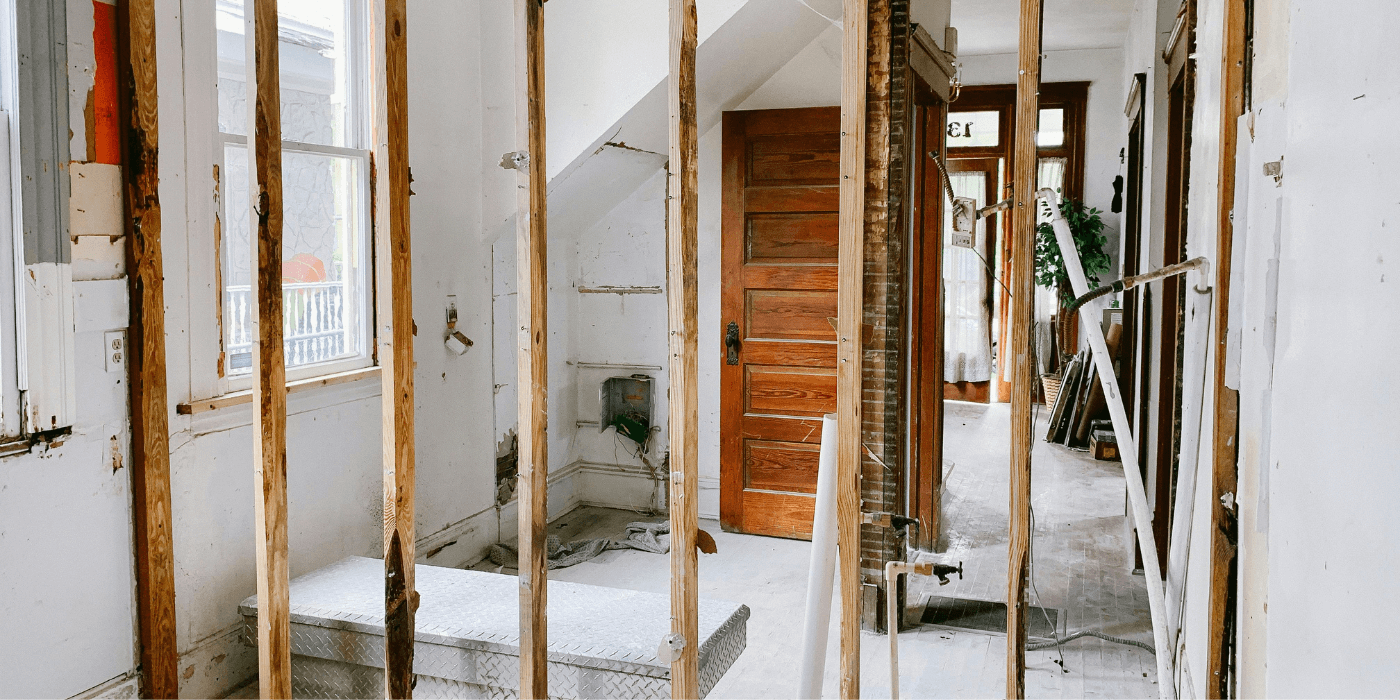
System failures and water incidents rarely stay contained to the one component that broke. Once moisture or damage moves into walls, flooring, and structural materials, the cost often shifts from “replace the unit” to “restore the home.” This kind of repair phase is where coverage details matter most, including what triggered the loss, how long it was happening, and what parts of the damage are considered sudden versus ongoing.
Renovations, Upgrades, and How Home Changes Affect Coverage
Home upgrades often increase comfort and property value, but they can also affect replacement cost and claim outcomes if your policy is not updated accordingly. A kitchen renovation that adds higher-end cabinetry, stone surfaces, and upgraded appliances changes what it would cost to rebuild after a loss. If your dwelling limit is not adjusted, you could end up underinsured relative to the true replacement cost of your home. That gap becomes painfully visible after a major claim, not during a quick policy renewal.
Upgrades to HVAC systems can also change the coverage conversation. If you install a higher-efficiency system, add zoning controls, or integrate smart thermostats, replacement costs can rise. Some policies also include provisions for ordinance or law coverage, which helps pay for code upgrades required during repair or rebuilding. These details matter when older systems are replaced with modern equivalents that require electrical work, updated venting, or other code-related changes.
We address this topic more fully in our renovations and homeowners insurance article. It explains how renovations can affect premiums, coverage limits, and the overall structure of your policy. The goal is not to discourage home improvements, because upgrades can make your home safer and more resilient. The goal is to keep your insurance aligned with the reality of what you own.
If your property type is not a standard single-family home, coverage structure can change even more. Condos, townhomes, and association-governed properties can involve master policies and responsibility splits. If that applies to you, review Homeowners and Condo Association Coverage and our blog post on HOA vs COA coverage. Understanding what the association covers helps you avoid gaps in systems and interior coverage.

Coverage questions for home systems and appliances still apply in manufactured housing, but the policy structure can be different than a standard homeowners plan. Factors like home type, foundation setup, and proximity to water can change how carriers handle wind, water, and related damage scenarios, which is why many owners review mobile home coverage separately and confirm endorsements before a loss occurs.
Home Type Matters for System and Appliance Protection
Not all homes face the same risk profile, and your home type can influence both coverage options and claim patterns. Mobile and manufactured homes often have different construction considerations and may require policies tailored to those structures. Older homes may have legacy wiring, galvanized plumbing, or aging HVAC equipment that increases the likelihood of breakdowns or water issues. Newer homes can still experience failures, especially with modern electronics and higher power demands.
If you live in a mobile or manufactured home, consider a policy designed specifically for that category through Mobile and Manufactured Home Insurance. Coverage forms and endorsements can differ, and a standard homeowners policy is not always the best fit. The goal is coverage that matches the property, not coverage that forces a property into a structure that was not designed for it. That distinction can matter when systems fail and you need a clear path forward.
Renters should also understand that the landlord’s policy does not protect the renter’s appliances, electronics, and personal property in most cases. If you rent, the right solution is typically Renters Insurance, which protects your belongings and can provide liability coverage. Many renters assume coverage is automatic because they live in someone else’s building, but that is not how most policies work. A renters policy is often affordable and can prevent major financial setbacks after theft, fire, or certain water losses.
Landlords, renters, condo owners, and association board members all face different versions of the same question: what is covered when systems fail and damage spreads. The best answer always starts with matching the policy type to the property type. It continues with endorsements that reflect how the property is used and what risks are most likely. A quick review now often prevents a costly surprise later.

Home repairs from HVAC issues, plumbing leaks, or appliance failures often create two separate costs: fixing the broken item and repairing the damage it caused. That’s when homeowners start calculating deductibles, coverage limits, and what expenses may fall outside the claim. It also reflects the gap many people discover between “something broke” and “a covered loss,” especially when wear-and-tear exclusions apply.
Practical Steps That Reduce Denials and Improve Claim Outcomes
When homeowners face a system failure, the first instinct is often to fix the problem quickly, which makes sense because comfort and safety are at stake. Still, there are a few practical steps that can protect you if you think insurance may be involved. Document the damage as soon as possible with photos and a brief written timeline of what happened, including when you discovered the problem. Keep receipts for emergency repairs and mitigation, because insurers often want proof of what was done and why it was necessary.
Prompt mitigation is often required under policy conditions, especially for water losses. If a pipe bursts, turning off the water and removing standing water can help prevent a small incident from becoming a major mold and structural project. Insurers can limit coverage when homeowners fail to take reasonable steps to reduce additional damage after a loss. This does not mean you must become a remediation expert, but it does mean acting quickly matters.
Maintenance documentation can also help when the carrier questions duration or cause. HVAC service records, plumbing inspection notes, and appliance installation documentation can support the argument that the failure was sudden rather than a long-standing problem. These records do not guarantee coverage, but they can reduce disputes and speed up claim handling. Good documentation is not glamorous, but it can be extremely valuable when thousands of dollars are on the line.
If you are unsure whether a situation should become a claim, it helps to talk with your agent before you file whenever possible. Barber Insurance Agency can help you understand how your policy is likely to respond and whether endorsements could have changed the outcome. We serve homeowners across the Triangle and beyond, and you can review our footprint through Areas We Serve and our Raleigh Insurance page. Having a plan before a loss is always easier than trying to build a plan during one.

Homeowners across the Triangle deal with a mix of older neighborhoods, newer builds, and fast-changing property values, which makes coverage reviews important when major systems and appliances fail. The metro backdrop reinforces the local focus of the article and the day-to-day reality that repairs, labor, and replacement costs can vary widely across the region.
Common Questions About Homeowners Insurance and System Failures
Will homeowners insurance pay to replace a broken HVAC system? Coverage is usually tied to the cause of loss, not the fact that the HVAC is expensive. If the HVAC system is damaged by a covered peril like fire, lightning, or a storm impact, the policy may help pay for repairs or replacement, subject to deductible and terms. If the system fails due to age, wear, or internal mechanical breakdown, standard homeowners insurance usually does not cover it. Equipment breakdown coverage may help in some mechanical and electrical failure scenarios, depending on the endorsement.
Is equipment breakdown coverage expensive? Many homeowners are surprised at how affordable equipment breakdown endorsements can be relative to the potential claim savings. Pricing varies by carrier, property factors, and coverage structure, and the endorsement also has its own limits and deductible considerations. The more important question is whether the endorsement covers the kinds of failures you are most likely to face based on your home’s systems and age. A quick review with an agent is the best way to confirm value rather than guessing.
Are appliances covered if they stop working? Appliances are typically covered when a covered peril damages them, such as fire, certain electrical events, or a storm-related incident. When an appliance fails due to wear and tear or internal breakdown, standard homeowners insurance usually does not cover the repair. Equipment breakdown endorsements can sometimes cover certain appliance failures tied to electrical or mechanical breakdown, but details vary. The classification of the appliance as dwelling-related or personal property can also influence the settlement approach.
Is a home warranty the same as homeowners insurance? Home warranties are service contracts that typically cover certain repairs and replacements due to wear and age, often with service fees and provider networks. Homeowners insurance is designed to cover sudden and accidental damage from covered causes, plus liability and other protections. They are built for different problems, and they handle claims differently. Some homeowners carry both, but the best approach depends on the home’s age, the condition of systems, and how much risk you want to self-fund.
Disclaimer: This insurance blog post is intended for general informational purposes only and does not constitute professional insurance advice. Coverage recommendations and policy options vary based on individual circumstances and should be reviewed with a licensed insurance agent. Any examples or descriptions of coverage are not guarantees of coverage and do not supersede the terms, conditions, or limitations of actual insurance policies. For personalized guidance, please contact Barber Insurance Agency directly. For additional information on site practices, review our privacy policy.


